Why a Hamilton Suit Showroom Beats Online Shopping for Your Next Bespoke Suit
@vif4qw21b7
When I first started looking for a proper suit, I did what most people do. I opened a dozen browser tabs, compared prices, and tried to guess my size from a size chart. The result was predictable. The jacket sat oddly on my shoulders, the trousers needed alterations that cost almost as much as the suit itself, and the whole experience left me frustrated. That is when a friend told me to visit a Hamilton suit showroom. It sounded old-fashioned at first. But after stepping through the door, I understood exactly why custom tailoring still matters, especially in New Zealand where the weather, the occasion, and the expectation of quality all demand something better than a factory box.
What Makes a Showroom Different
A showroom is not a retail store in the usual sense. There are no racks of identical jackets, no sales assistants pushing last season's stock. Instead, you walk into a space designed around the process of making a garment that fits you alone. The Hamilton suit showroom I visited had walls lined with bolts of suit fabric. Wool from Italy, linen from Ireland, blends that drape differently depending on the weave. The tailor sat down with me and asked questions I had never been asked before. What kind of events would I wear the suit to? Did I prefer a structured shoulder or something softer? How many buttons on the cuff?
That level of detail is impossible to replicate online. A screen cannot show you how a worsted wool feels against your hand. A drop-down menu cannot capture the way you stand when you are nervous or relaxed. A showroom gives you the chance to touch the cloth, hold it up to your face, and see how the light plays across the weave. It turns a transaction into a conversation.
The Real Value of a Tailor Consultation
A good tailor consultation takes time. I sat for about an hour during my first visit. The tailor measured my shoulders, my chest, my waist, and my posture. He noted that my left shoulder sits slightly lower than my right, a common asymmetry that off-the-rack jackets never account for. He also asked about my usual accessories. Would I wear a pocket square? Did I prefer a slim or classic tie knot? These details affect the cut of the jacket and the drape of the trousers.
The consultation is not just about numbers. It is about taste. The tailor showed me lapel styles I had never considered. A notch lapel for a business suit, a peak lapel for a double-breasted suit, a shawl collar for a tuxedo. He explained how the width of the lapel changes the visual balance of the jacket. For my frame, a medium-width notch worked best. That kind of guidance comes from experience, not from a FAQ page.

Bespoke Versus Made-to-Measure
There is a difference between a bespoke suit and a made-to-measure suit, and understanding it helps you decide which one you need. A bespoke suit is cut from scratch based on your unique measurements. The tailor drafts a pattern that belongs to you alone. It takes longer and costs more, but the result is a garment that feels like a second skin. A made-to-measure suit starts from a standard pattern and adjusts it to your proportions. It is faster and more affordable, but it still offers far better fit than anything off the rack.
For a wedding suit, many grooms choose made-to-measure because the timeline is tighter. Groomswear needs to be ready for the big day, and a bespoke commission can take weeks. But if you are investing in a business suit that you will wear twice a week for years, bespoke is worth the wait. The Hamilton suit showroom I visited offered both options, and the tailor was honest about which one suited my needs. That honesty matters. A good tailor will not upsell you into a bespoke suit if made-to-measure will serve you better.
Suit Fabric and Lining Choices
Choosing suit fabric is one of the most enjoyable parts of the process. You get to feel the weight, the texture, the colour. A heavy wool works well for a winter wedding or a formal event. A lighter blend is better for a summer business suit. The lining is another decision that many people overlook. A silk lining feels smooth against the skin and adds a subtle luxury. A polyester lining is more durable and easier to clean. The tailor showed me both and let me decide based on how I planned to wear the suit.
Colour is another consideration. Navy and charcoal are safe choices for a business suit. They work with almost any shirt and tie combination. For a wedding suit, many grooms choose a lighter grey or a subtle pattern. A double-breasted suit in a textured fabric can make a strong statement. But the key is to pick something that matches your personal style and the tone of the event. The showroom gave me the space to try different combinations without pressure.
Suit Fitting and Alterations
A suit fitting is not a single event. It is a process. After the initial measurements, the tailor creates a basted fitting, a rough version of the jacket and trousers. You try it on, and the tailor marks adjustments. The shoulders might need a small tweak. The trousers might be too long or too short. That is normal. A proper fitting requires at least two appointments, sometimes three. It is the only way to achieve the kind of fit that makes a suit look like it belongs to you.
Suit alterations are another area where a showroom excels. Even a made-to-measure suit may need minor adjustments after it is finished. The tailor can shorten the sleeves, take in the waist, or adjust the seat of the trousers. Off-the-rack suits often require significant alterations, and the cost can add up quickly. When you start with a suit that is close to your measurements, the alterations are small and inexpensive.
Formal Wear and Special Occasions
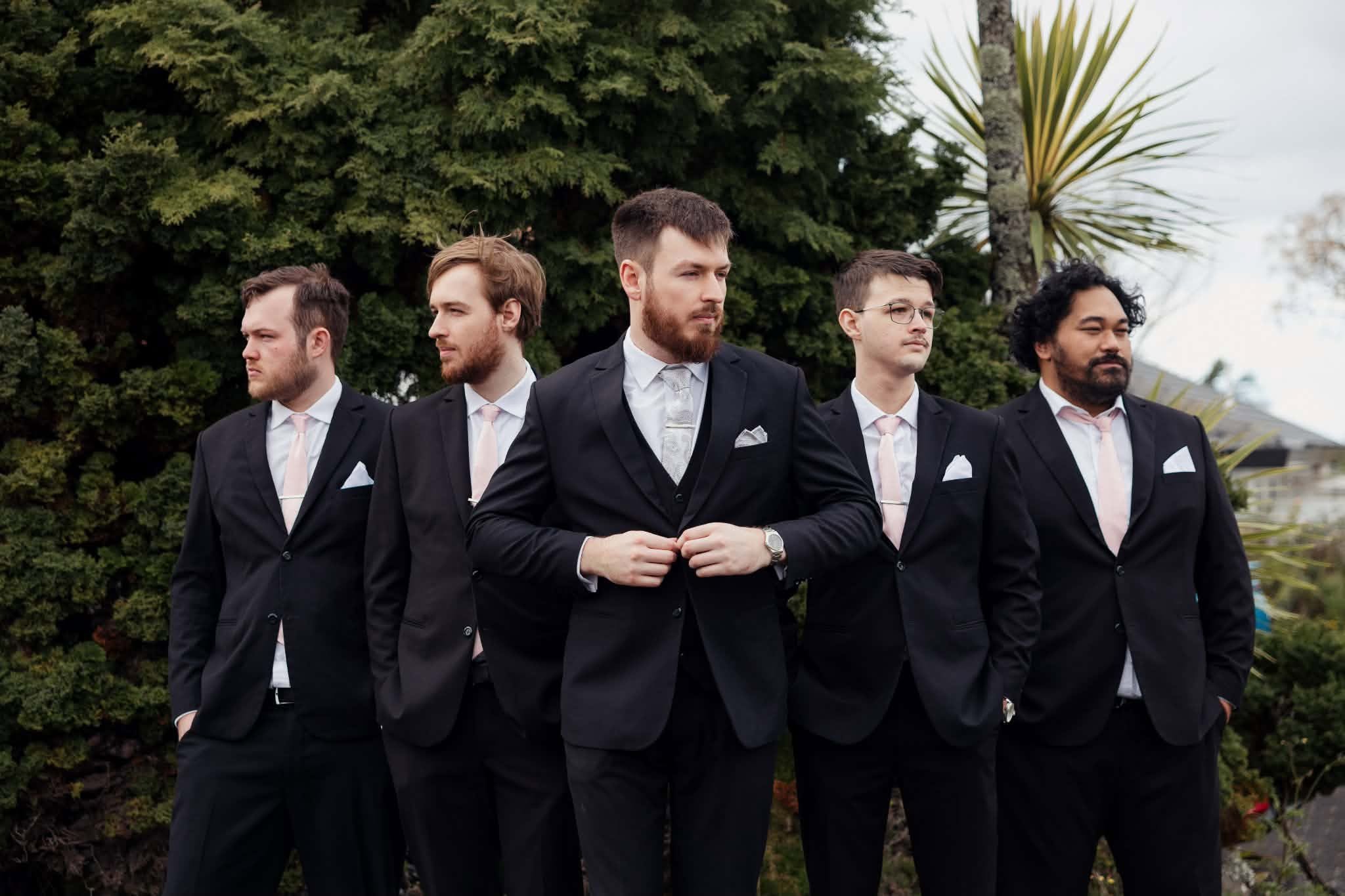
Formal wear is a category where details matter most. A tuxedo or a dinner jacket has strict conventions. The lapel facing should be satin or grosgrain. The trousers should have a single stripe down the leg. The shirt should be pleated or have a marcella front. When you rent a tuxedo, you get a generic version that fits poorly and looks like everyone else's. When you commission a formal suit from a tailor, you get something that fits perfectly and reflects your taste.
I remember attending a black-tie event where a friend wore a rented tuxedo. The jacket bunched at the shoulders, and the trousers were too short. He spent the evening tugging at his cuffs. Another friend wore a custom tuxedo from the Hamilton suit showroom. He stood comfortably, moved naturally, and looked like he belonged in the room. That is the difference that custom tailoring makes.
Suit Accessories and the Complete Look
Once the suit is ready, accessories complete the picture. A well-chosen tie, a pocket square that complements the shirt, cufflinks that add a personal touch. The tailor can advise on these details too. Some showrooms carry a selection of suit accessories, including ties, braces, and collar stays. A three-piece suit offers even more options with the waistcoat adding a layer of formality and warmth.
The Hamilton suit showroom I visited had a small display of accessories near the fitting area. The tailor suggested a grenadine tie for the wedding and a white linen pocket square for the ceremony. Those small decisions made the outfit feel cohesive. They also saved me the trouble of shopping around for accessories that might not match.
Why Local Matters
New Zealand has a strong tradition of craftsmanship. From furniture to fashion, Kiwis value things that are made well and built to last. A local Hamilton suit showroom is part of that tradition. The tailor knows the local climate, the local dress codes, and the local expectations. He understands that a suit for a vineyard wedding in Marlborough needs different fabric than a suit for a boardroom in Auckland. That local knowledge is hard to find in an online store based overseas.
There is also the convenience of being able to visit the showroom in person. You can schedule a suit measurement appointment, see the progress of your garment, and pick it up when it is ready. If you need adjustments, you can return to the same tailor who made it. That relationship builds trust over time. Many customers come back for their second suit, their third, their wedding suit, their father's suit for a milestone birthday.

Practical Advice for First-Timers
If you are new to custom tailoring, here are a few things I learned along the way:
- Bring photos of suits you like. They help the tailor understand your taste even if you cannot describe it in words.
- Wear the shoes and shirt you plan to wear with the suit. The tailor needs to see your full silhouette.
- Be honest about your budget. A good tailor will work within it and recommend the best options.
- Allow enough time. A bespoke suit can take four to six weeks. Made-to-measure is faster, but still needs at least two weeks.
- Trust the tailor's advice. They have dressed hundreds of people. Their eye for proportion is better than yours.
Walking into a Hamilton suit showroom for the first time can feel intimidating. It is a space where people take clothing seriously. But the best tailors are welcoming. They want you to leave with a suit that makes you feel confident. That is their craft. And when you finally put on a jacket that fits across the shoulders, that sits flat at the collar, that moves with you instead of against you, you will understand why custom tailoring is worth the effort.
The next time you need a suit, skip the size chart. Visit a showroom, shake hands with a tailor, and let the process begin. Your wardrobe will thank you.